
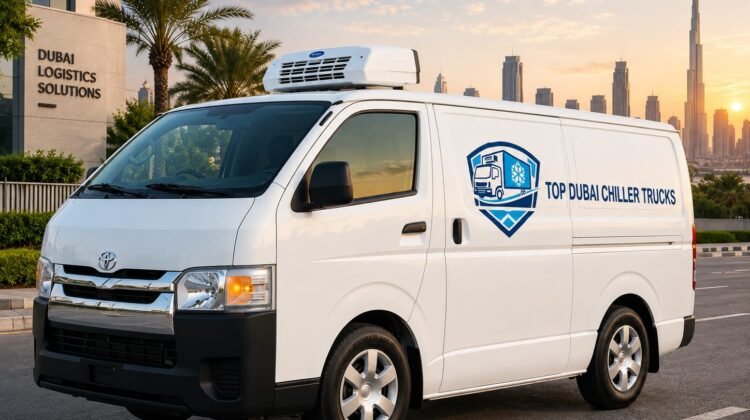
How to Transport Frozen Seafood and Meat Safely Across the UAE
Frozen seafood and meat are unforgiving cargo. A short lapse in temperature causes partial thawing, refreezing, texture damage, and, with seafood especially, a food-safety risk that can get a load rejected at delivery.
If you supply restaurants, hotels, or retailers across the Emirates, your reputation rides on an unbroken cold chain.
Here is how to keep frozen protein safe from pickup to drop-off.
The Rule That Never Bends: Hold -18°C
Frozen seafood and meat must stay at -18°C or colder throughout transport.
This is not a target to drift around; it is a threshold.
Every time the core temperature rises toward freezing, ice crystals melt and reform, degrading texture and creating conditions for bacteria once the product thaws.
Seafood is particularly sensitive, spoiling quickly and dangerously if the chain breaks.
A freezer van or freezer truck, not a chiller van, is the only correct vehicle.
Pre-Cool and Load Fast
Two habits prevent most frozen-transport failures:
Pre-Cool the Vehicle
Run the freezer unit down to -18°C or below before loading.
Placing frozen cargo into a warm box starts the surface thawing immediately.
Load Quickly and Keep Doors Shut
Every open-door minute in UAE heat costs you cold.
Stage the load, move it efficiently, and close up fast.
Protect Frozen Cargo on Inter-Emirate Runs
Long routes are where frozen loads are most at risk.
A Dubai-to-Fujairah or Abu Dhabi-to-RAK run means hours of continuous heat pressure and, often, multiple drops.
To keep the load solid across the Emirates, choose a vehicle sized for the distance and volume, a 10-tonne refrigerated truck for bulk, or a freezer van for smaller multi-stop routes.
Plan the route so the most temperature-critical drops come first, and never let the vehicle sit idle in the sun with the unit off between stops.
Handle the Load Correctly
Good handling protects both quality and safety:
- Keep seafood and raw meat separated to avoid cross-contamination.
- Do not stack cargo so tightly that cold air cannot circulate, airflow keeps the whole load at temperature.
- Move product straight into cold storage on arrival; the doorstep is where many frozen loads quietly thaw.
Meet UAE Compliance and Keep the Paperwork
Transporting frozen food in the UAE comes with food-safety obligations.
Dubai Municipality and Abu Dhabi’s ADAFSA set standards for temperature-controlled food transport, and buyers increasingly expect proof that the chain held.
Use a HACCP-standard vehicle, keep the interior food-grade and sanitised, and, critically, keep a temperature log for the trip.
That record protects you if a customer questions a delivery, and it is central to cold-chain compliance.
Our cold-chain compliance guide covers the requirements in detail.
Deliver Frozen Protein That Arrives Solid
From a single restaurant supply run to bulk distribution across all seven Emirates, the right freezer vehicle and disciplined handling keep your cargo safe and saleable.
Call or WhatsApp +971 52 932 8203 to Get a Quote on frozen transport across the UAE.
FAQ
What temperature should frozen seafood and meat be transported at?
-18°C or colder, held consistently throughout the trip. Any rise toward freezing risks texture damage and food-safety problems.
Can I use a chiller van for frozen food?
No. A chiller van holds 0°C to +5°C, which is too warm for frozen cargo. Frozen seafood and meat need a freezer van or freezer truck at -18°C.
How do I keep frozen food solid on long inter-emirate routes?
Pre-cool the vehicle, size it for the distance and volume, sequence temperature-critical drops first, and keep the unit running between stops.
What compliance applies to frozen food transport in the UAE?
Dubai Municipality and ADAFSA food-safety standards apply. Use a HACCP-standard, sanitised vehicle and keep a temperature log as proof of an unbroken cold chain.