
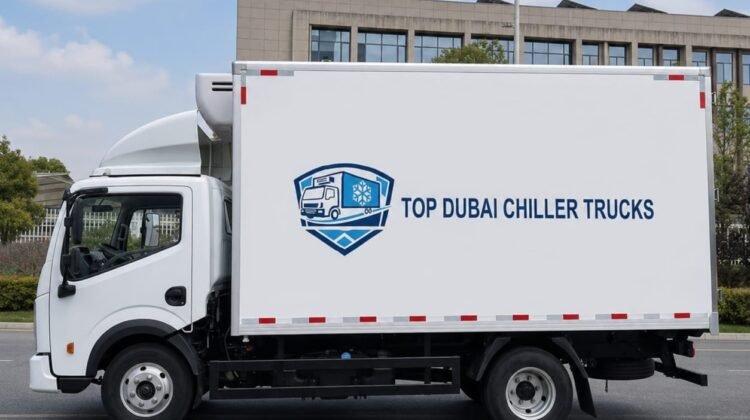
What Is a Chiller Van and How Does It Work? A Guide for UAE Businesses
Every day across Dubai, fresh produce, dairy, flowers, and medicines travel through 45°C heat and still arrive in perfect condition. The vehicle that makes this possible is the chiller van. If you run a restaurant, pharmacy, florist, or distribution business, understanding how it works helps you choose the right vehicle and avoid costly spoilage.
What a Chiller Van Actually Is
A chiller van is a refrigerated delivery vehicle that holds a steady, controlled temperature, usually 0°C to +5°C, inside an insulated cargo area. It keeps perishable goods cold but not frozen, which is exactly what fresh food, dairy, cut flowers, chilled drinks, and most pharmaceuticals need.
Think of it as a mobile fridge built onto a Toyota Hiace or Nissan Urvan-class van, sized for city delivery routes.
A chiller van differs from a freezer van, which holds -18°C for frozen goods such as ice cream, frozen meat, and seafood. Choosing the wrong one is the most common cold chain mistake, so match the vehicle to your cargo.
Our chiller van vs freezer van guide explains the difference in full.
How a Chiller Van Works, Step by Step
The system is simpler than it looks, and each part earns its place:
The Refrigeration Unit
A Thermo King or Carrier-class unit, mounted on the van, draws heat out of the cargo area and pushes it outside, the same principle as a home air conditioner, engineered for a moving vehicle.
Insulation
Thick foam panels line the walls, floor, and roof to keep external heat out and cold air in. Without proper insulation, no refrigeration unit can hold temperature on a Dubai afternoon.
Pre-Cooling
The driver runs the unit down to the target temperature before loading. Loading warm cargo into a warm box forces the system to fight a losing battle all day, so pre-cooling is non-negotiable.
Airflow
Cold air circulates around the cargo, not just past it, so every box stays within range, front to back, top to bottom.
Temperature Monitoring
A sensor and logger record the cargo temperature throughout the trip, giving you proof of an unbroken cold chain for food-safety and pharmaceutical compliance.
Why a Chiller Van Matters in the UAE Climate
In most of the world, a delivery van simply moves goods from A to B. In the UAE, summer temperatures regularly cross 45°C, and unprotected perishables can start to spoil within minutes.
A working chiller van is the difference between produce that reaches the shelf crisp and produce that reaches the bin.
For anything temperature-sensitive, it is not a luxury, it is the cost of doing business.
What You Can Carry in a Chiller Van
A chiller van suits chilled, not frozen, cargo:
- Fresh fruit, vegetables, and salad leaves
- Dairy, cheese, and yoghurt
- Bakery, pastries, chocolate, and chilled desserts
- Cut flowers and floral arrangements
- Chilled beverages
- Temperature-controlled pharmaceuticals and vaccines
For anything that must stay solid-frozen, use a freezer van instead.
Do You Need to Buy One, or Rent?
Most Dubai businesses rent rather than buy, because renting removes the upfront cost, maintenance, and the risk of a breakdown spoiling a full load.
You scale up in peak season and down when demand eases, and a right-sized 1-tonne chiller van covers most city delivery needs.
Ready to keep your cargo cold from pickup to delivery?
Call or WhatsApp +971 52 932 8203 to Get a Quote.
FAQ
What temperature does a chiller van maintain?
A chiller van holds a steady 0°C to +5°C, the correct chilled range for fresh produce, dairy, flowers, and most pharmaceuticals.
What is the difference between a chiller van and a freezer van?
A chiller van keeps cargo cold but not frozen (0°C to +5°C). A freezer van holds cargo solid at -18°C for ice cream, frozen meat, and seafood.
How does a chiller van stay cold in Dubai’s heat?
It combines a Thermo King or Carrier-class refrigeration unit, thick insulation, and pre-cooling before loading, so it holds temperature even when outdoor heat exceeds 45°C.
What can I transport in a chiller van?
Fresh produce, dairy, bakery, chilled drinks, cut flowers, chocolate, and temperature-controlled medicines. For frozen goods, use a freezer van.