

In the UAE’s strict food safety environment, businesses transporting perishable goods must ensure every step of the logistics process follows internationally recognized safety standards. This is where HACCP, Hazard Analysis and Critical Control Points, plays a critical role in refrigerated logistics.
Whether you run a restaurant, catering service, supermarket, or food distribution business, choosing chiller truck and van rental providers who follow HACCP guidelines is essential for compliance, safety, and customer trust.
This guide explains Importance of HACCP in Chiller Truck transport UAE standards matter and how they transform cold-chain operations.
What is HACCP, and why does it matter in refrigerated logistics?
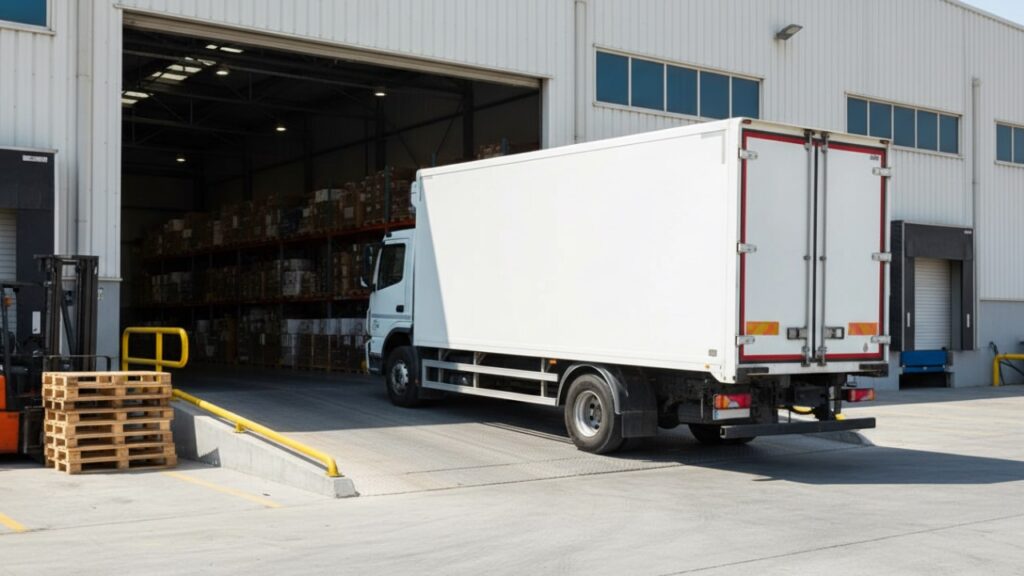
HACCP is a globally recognised food safety management system designed to identify, evaluate, and control hazards that may compromise food safety. It focuses on preventing contamination instead of reacting to it.
In refrigerated transport, HACCP ensures:
- Safe temperature control
- Hygienic handling
- Preventive oversight
- Reduced risk of microbial growth
- Regulatory compliance
For the UAE, where the climate accelerates spoilage, HACCP is not just helpful; it is crucial.
Why HACCP is Essential and Importance of HACCP in Chiller Truck
Refrigerated vehicles play a major role in the cold-chain process. A single lapse in temperature control or hygiene can render food unsafe.
Here’s why HACCP is critical:
1. Ensures Safe Temperature Control Throughout Transport
Temperature is one of the biggest risks in refrigerated logistics. Failure to maintain required temperatures can cause:
- Bacterial growth
- Spoilage
- Cross-contamination
- Reduced product shelf life
HACCP ensures that chiller trucks and vans consistently maintain:
- +5°C to +10°C for chilled foods
- –18°C or below for frozen goods
By monitoring temperature as a critical control point, providers guarantee safe delivery every time.
2. Provides Hygiene and Sanitation Standards
HACCP-compliant transport companies follow strict hygiene rules, including:
- Clean and sanitized cargo areas
- Odor-free, food-grade interiors
- No cross-contamination with non-food items
- Regular vehicle disinfection
This ensures that the transported food remains safe and uncontaminated.
3. Supports UAE Food Safety Regulations
The UAE enforces strict food safety guidelines under:
- Dubai Municipality
- ADAFSA (Abu Dhabi Agriculture and Food Safety Authority)
- ESMA (Emirates Authority for Standardization & Metrology)
HACCP transport UAE providers meet these requirements by:
- Monitoring temperature logs
- Using approved insulated vehicles
- Maintaining clear documentation
- Training staff in safe food handling
Using HACCP-compliant rental services helps businesses avoid penalties and ensures legal compliance.
4. Reduces the Risk of Spoilage and Product Loss
Food spoilage results in financial loss, wasted inventory, and damaged reputation.
HACCP prevents spoilage by enforcing:
- Proper loading procedures
- Controlled airflow inside the vehicle
- Efficient route planning
- Timely delivery schedules
Consistent monitoring at each stage keeps food safe and reduces waste.
5. Enhances Customer Trust and Brand Reputation
When businesses use HACCP-compliant refrigerated van logistics, customers trust:
- The quality of the transported food
- The safety of perishable goods
- The professionalism of the business
This is especially important for:
- Restaurants and cafés
- Catering companies
- Supermarkets and hypermarkets
- Cloud kitchens
- Fresh food delivery brands
Safety equals trust, and HACCP ensures both.
How HACCP Applies to Chiller Trucks and Van Transportation
To maintain compliance, refrigerated transport providers follow specific HACCP principles.
1. Hazard Identification
Identifying risks like temperature deviation, contamination, or vehicle malfunction.
2. Critical Control Points (CCPs)
These include:
- Temperature setting
- Pre-cooling
- Loading and unloading
- Door opening frequency
- Transit duration
3. Monitoring Procedures
Examples:
- Digital temperature logs
- GPS and temperature tracking
- Manual checks at loading points
4. Corrective Actions
If temperature rises, drivers and operators take immediate action to restore safe conditions.
5. Verification Processes
Regular audits, equipment calibration, and hygiene inspections.
6. Documentation
Records of temperature logs, cleaning schedules, and vehicle checks.
This structured approach ensures safety at every step of transport.
Best Practices in HACCP-Compliant Refrigerated Logistics
To meet HACCP standards, providers and businesses should follow these practices:
1. Pre-Cool Vehicles Before Loading
Ensures stable temperatures from the start.
2. Use Proper Packaging
Insulated containers help maintain cold-chain integrity.
3. Avoid Overloading
Proper airflow is necessary for temperature consistency.
4. Keep Doors Closed as Much as Possible
Prevents warm air from entering the vehicle.
5. Train Drivers in Cold-Chain Handling
Human error is a common cause of compliance issues.
6. Maintain Vehicle Hygiene
Regular cleaning reduces contamination risks.
7. Monitor Temperatures Continuously
Record readings throughout the journey.
8. Plan Efficient Delivery Routes
Reduces the time food spends in transit.
Implementing these practices strengthens compliance and prevents food safety incidents.
Why Businesses Should Choose HACCP-Compliant Rental Services
Choosing an HACCP-compliant refrigerated van or chiller trucks rental offers:
- Professional handling of perishable goods
- High-level food safety assurance
- Reduced risk of violations
- Better brand reputation
- Safer delivery outcomes
- Compliance with UAE regulations
- Reliable temperature stability
It is one of the most important decisions for any cold-chain operation.
HACCP is the Foundation of Safe Chiller Truck Transport
HACCP plays a crucial role in ensuring the safety, quality, and compliance of refrigerated logistics in the UAE. For businesses that transport perishable goods, choosing an HACCP-compliant chiller truck or van rental service is essential.
It ensures:
- Safe temperatures
- Clean, professional vehicles
- Proper monitoring
- Regulatory compliance
- Reduced wastage
- Greater customer trust
In a market driven by quality and reliability, HACCP remains the gold standard for cold-chain logistics.