
The UAE’s food industry relies heavily on imported goods, with nearly 85–90% of products coming from international markets. From fresh vegetables to dairy, poultry, seafood, and ready-to-eat items, every product needs to be safely transported across cities and emirates in extreme weather conditions. This is why refrigerated trucks in UAE play one of the most crucial roles in the UAE’s food supply chain.
These vehicles, often referred to as reefer trucks, are designed to maintain specific temperature conditions throughout the journey. Without them, the UAE’s food distribution system would face massive spoilage, safety violations, and logistical failures.
This guide explores the importance of refrigerated trucks in UAE food supply chain, how they function, and why businesses rely on them daily.
Why Refrigerated Trucks Are Essential for the UAE Food Industry
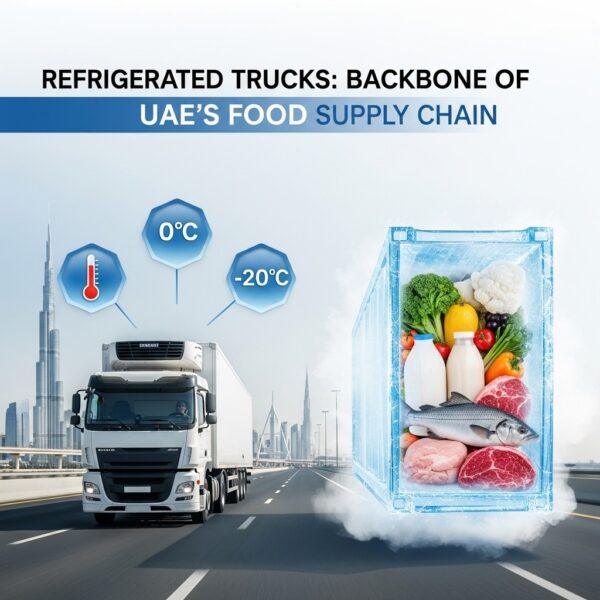
The UAE’s climate presents unique challenges for food transportation. Summer temperatures often exceed 45°C, and even short trips can compromise the quality of perishable goods.
Refrigerated trucks help maintain cold-chain integrity, ensuring that food remains fresh, safe, and compliant with regulations from source to destination. They protect against contamination, spoilage, and foodborne illnesses.
Food distributors, supermarkets, catering companies, restaurants, and hypermarkets depend on refrigerated truck rental services to ensure continuous product movement without temperature fluctuations.
Understanding Reefer Trucks in the UAE
A reefer truck UAE is a specialized vehicle equipped with:
- Temperature-regulated cargo space
- quality insulation
- Mechanical cooling systems
- Temperature monitoring tools
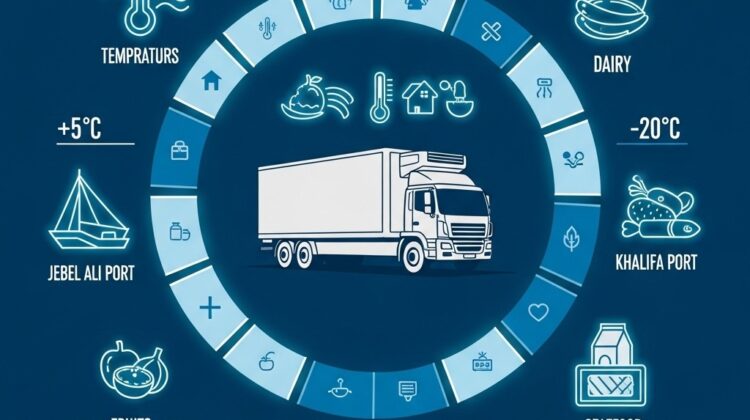
These trucks maintain temperatures ranging from +5°C to –20°C, depending on the nature of the goods.
Reefer trucks are essential for:
- Fresh food transportation
- Long-distance inter-emirate distribution
- Imported goods from ports to warehouses
- Bulk deliveries to supermarkets
- Catering and restaurant supply
They ensure that products move through each stage of the supply chain safely and efficiently.
How Refrigerated Trucks in UAE Food Supply Chain
1. Maintaining Cold-Chain Consistency
The cold chain begins at the moment the product is harvested, processed, or prepared. Refrigerated trucks help maintain:
- Stable temperature
- Controlled humidity
- Proper airflow
- Minimized heat exposure
This consistency prevents bacterial growth and extends product shelf life.
2. Safe Transportation Across Long Distances
Many foods are transported from:
- Jebel Ali Port
- Abu Dhabi’s Khalifa Port
- Dubai International Airport
- Ras Al Khor wholesale markets
Reefer trucks ensure safety during long inter-emirate journeys to:
- Supermarkets in Dubai
- Hotels and resorts
- F&B warehouses
- Restaurants across UAE
They allow goods to remain in ideal conditions from dock to delivery.
3. Preventing Food Spoilage
Spoilage leads to:
- Revenue loss
- Waste
- Customer complaints
- Health risks
- Supply chain disruptions
Refrigerated trucks reduce spoilage rates significantly, offering a controlled environment suitable for sensitive goods like:
- Seafood
- Dairy
- Meat
- Fresh produce
- Frozen foods
4. Ensuring Compliance With UAE Food Safety Regulations
Dubai Municipality, ESMA, and ADAFSA require strict temperature control for transporting food.
Reefer trucks help businesses comply with:
- Vehicle insulation standards
- Cleanliness and hygiene guidelines
- Temperature monitoring rules
- Product-specific cold-chain requirements
Using approved refrigerated trucks ensures that businesses meet all regulatory expectations.
5. Enhancing Efficiency in the Food Distribution Process
Refrigerated trucks help streamline supply chain operations through:
- Bulk deliveries
- Temperature-stable long trips
- Reduced handling errors
- Faster loading and unloading
- Centralized distribution
They allow large F&B companies to manage inventory more efficiently across multiple branches and regions.
Industries in the UAE That Rely on Refrigerated Trucks
Food and Beverage Sector
Supermarkets, hypermarkets, restaurants, and catering services rely on reefer trucks daily.
Pharmaceutical and Medical
Vaccines, medicines, and lab samples require temperature stability.
Hospitality Industry
Hotels and resorts transport high volumes of fresh ingredients.
E-Commerce and Grocery Delivery
Online grocery platforms depend on uninterrupted cold-chain logistics.
Types of Food Transported Using Reefer Trucks
- Fresh fruits and vegetables
- Meat and poultry
- Seafood
- Dairy and cheese
- Frozen foods
- Ready-to-eat meals
- Catered food trays
- Bakery and confectionery items
Each category requires a specific temperature range, which refrigerated trucks accurately maintain.
How Refrigerated Trucks Work: Core Components
1. High-Grade Insulation
Prevents heat penetration even during long trips.
2. Refrigeration Unit
Maintains set temperature ranges based on product requirements.
3. Airflow System
Ensures even cooling across all sections of the truck.
4. Temperature Monitoring
Real-time monitors track fluctuations and maintain compliance.
5. Standby Power Option
Allows cooling even when the truck is parked.
Temperature Ranges for Common Food Items
| Food Type | Temperature Range |
| Fruits and Vegetables | +5°C to +10°C |
| Dairy | +2°C to +4°C |
| Meat and Poultry | 0°C to +4°C |
| Frozen Foods | –18°C to –20°C |
| Seafood | 0°C to +4°C |
| Pastries and Desserts | +5°C to +8°C |
Reefer trucks ensure these temperatures remain stable throughout.
Advantages of Refrigerated Truck Rental in the UAE
1. Cost Efficiency
Businesses avoid:
- Vehicle purchase costs
- Maintenance
- Repairs
- Cooling unit servicing
Renting is more flexible and budget-friendly.
2. Newer and Reliable Fleet
Rental companies offer:
- Modern vehicles
- High-performance cooling units
- Trained drivers
This guarantees better cold-chain performance.
3. Flexible Rental Options
Daily, weekly, monthly, and long-term leasing are available depending on business needs.
4. Quick Replacement in Case of Breakdown
Minimizes delays or food safety risks.
5. Ideal for Peak Seasons
Events, catering, and seasonal demand are easily manageable with extra rental trucks.
Challenges in the UAE Food Supply Chain (and How Reefer Trucks Solve Them)
Extreme Weather
Reefer trucks protect food from intense heat.
Long Travel Routes
Cooling systems maintain temperature over extended distances.
Traffic Delays
Insulated roofs and walls retain temperature even when idle.
Import-Heavy Market
Refrigerated trucks transport imported items safely to distribution centres.
The Future of Reefer Trucks in the UAE Food Supply Chain
The UAE is rapidly improving its food logistics system. Future developments include:
- Smart temperature sensors
- IoT-enabled fleet monitoring
- AI-powered cold-chain analysis
- Electric refrigerated trucks
- Sustainable cooling technologies
The demand for reefer trucks will continue to grow as the UAE expands its food e-commerce, tourism, and hospitality sectors.
The Backbone of UAE’s Food Supply Chain
Refrigerated trucks are the silent heroes of the UAE’s food industry. They ensure:
- Consistent cold-chain compliance
- Safe handling of perishable products
- Reduced spoilage
- High-quality deliveries
- Efficient distribution across all Emirates
For supermarkets, restaurants, catering businesses, and food importers, refrigerated truck rental services are essential for maintaining product quality and meeting UAE standards.