
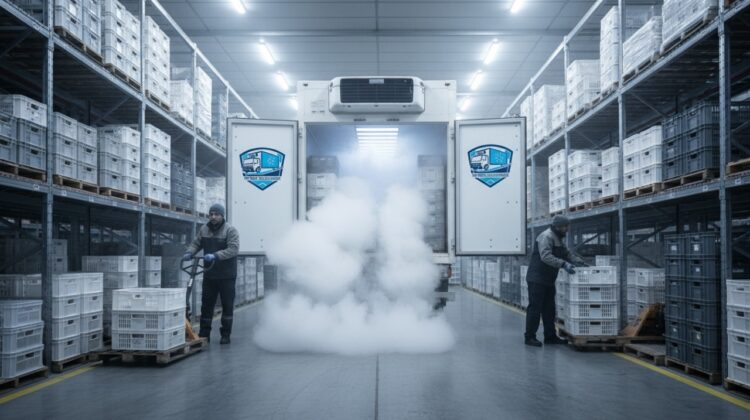
Transporting frozen goods in the UAE requires precise temperature control, strict hygiene standards, and reliable logistics planning. With temperatures often exceeding 45°C, even a slight deviation in temperature can compromise product safety, quality, and regulatory compliance.
Whether you’re moving frozen meat, seafood, ice cream, poultry, or ready-made frozen meals, the right methods must be followed to ensure safe and efficient frozen food transport. This detailed guide outlines the best practices, safety requirements, and compliance standards that businesses must follow for successful frozen food transport UAE operations.
Why Frozen Goods Require Specialized Transportation
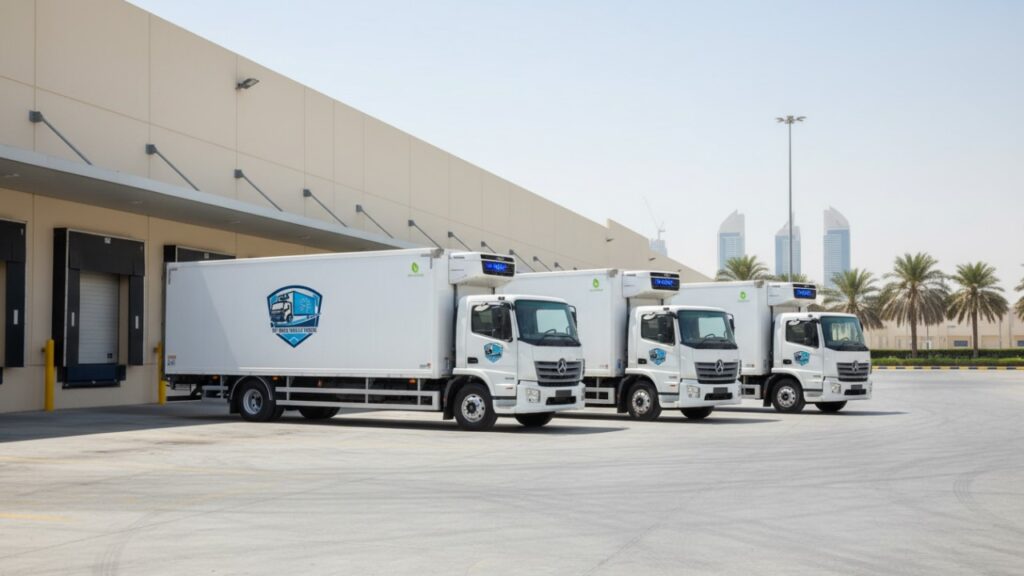
Frozen goods are extremely temperature-sensitive. If the temperature rises above recommended levels, products can thaw, refreeze, or become contaminated.
Proper transportation prevents:
- Bacterial growth
- Texture deterioration
- Ice crystal formation
- Nutritional loss
- Spoilage and wastage
This is why companies depend on freezer truck rental services that offer stable temperatures between –18°C and –22°C.
Recommended Temperatures for Frozen Food Transportation
Maintaining the correct temperature is the foundation of frozen food logistics.
| Product Type | Recommended Temperature |
| Frozen Meat | –18°C |
| Poultry | –18°C to –20°C |
| Frozen Seafood | –20°C |
| Ice Cream | –20°C to –22°C |
| Ready Frozen Meals | –18°C |
| Frozen Vegetables | –18°C |
Consistency is key; even small fluctuations can damage product quality.
1. Use a Reliable Freezer Truck Rental Service
Transporting frozen goods requires vehicles built specifically for deep freezing. A freezer truck rental ensures:
- Strong insulation
- Industrial-grade cooling units
- Digital temperature monitoring
- Backup cooling systems
- Airflow circulation for uniform temperature
Freezer trucks prevent thawing, even during long-distance or multi-stop trips across the UAE.
2. Pre-Cool the Freezer Truck Before Loading
The truck should be cooled to the required temperature 30–45 minutes before loading.
This helps stabilise the temperature and prevents sudden thermal shock when goods are placed inside.
Benefits:
- Faster temperature recovery after loading
- Reduced risk of partial thawing
- Improved cold-chain continuity
3. Follow Proper Loading Techniques
Frozen products should be loaded systematically to ensure even cooling:
- Keep items spaced for airflow
- Avoid placing goods directly against truck walls
- Use pallets to elevate items off the floor
- Never overload the vehicle
Incorrect loading restricts airflow and may cause temperature pockets inside the truck.
4. Maintain Continuous Temperature Monitoring
Real-time monitoring is crucial for safely transporting frozen goods in the UAE.
Businesses should check:
- Temperature before loading
- Temperature during transit
- Temperature at delivery point
Digital thermometers and onboard sensors help detect any fluctuations immediately.
5. Limit Door Opening During Transport
Opening the doors causes warm air to enter and increases thawing risk.
To avoid this:
- Plan routes before the trip
- Use organized stacking
- Combine nearby deliveries
- Train drivers to open doors only when necessary
This ensures stable temperatures throughout the journey.
6. Use Proper Frozen Food Packaging
Packaging plays a major role in maintaining product quality.
Recommended packaging includes:
- Insulated boxes
- Air-tight plastic wraps
- Food-grade containers
- Thick cartons with inner liners
- Frozen gel packs (if needed)
Good packaging also reduces freezer burn and protects against physical damage.
7. Follow UAE Food Safety Regulations and Standards
The UAE enforces strict frozen food transport rules under:
- Dubai Municipality
- ADAFSA (Abu Dhabi Food Safety Authority)
- ESMA (Emirates Authority for Standardization & Metrology)
Businesses must ensure:
- Vehicles are approved for cold-chain transport
- Drivers follow hygiene protocols
- Temperature logs are maintained
- Proper documentation is available
- Goods remain frozen throughout the journey
Compliance protects both businesses and consumers from food safety risks.
8. Train Drivers and Staff in Cold-Chain Handling
Human error is one of the most common causes of cold-chain failure.
Staff must understand:
- Required temperature ranges
- Correct loading procedures
- How to operate refrigeration systems
- Handling delays or breakdowns
- Emergency protocols
Training ensures smoother operations and fewer mistakes.
9. Schedule Deliveries Smartly
Frozen goods must be transported quickly and efficiently.
Best practices:
- Avoid peak heat hours when possible
- Pre-plan delivery routes
- Reduce waiting times at loading/unloading points
- Use GPS tracking for timely deliveries
Efficient scheduling reduces the risk of temperature fluctuations.
10. Conduct Regular Vehicle Maintenance
Freezer trucks must undergo routine checks to ensure reliable performance.
Important areas include:
- Refrigeration unit inspection
- Insulation condition
- Door seals
- Fans and airflow systems
- Backup power units
Proper maintenance keeps the cold chain unbroken during operations.
Common Mistakes to Avoid When Transporting Frozen Goods
- Using normal vans or chiller vans for frozen items
- Transporting partially thawed goods
- Overloading the truck
- Ignoring temperature logs
- Using weak or non-insulated packaging
- Poor route planning
- Hiring untrained drivers
Avoiding these mistakes protects the integrity of frozen products.
Ensuring Safe Frozen Food Transport in the UAE
Transporting frozen goods in a hot climate like the UAE requires strict temperature control, professional handling, and reliable freezer vehicles. Using a trusted freezer truck rental service ensures that products remain at the required temperature from loading to delivery, meeting all UAE food safety regulations.
With the right practices, businesses can:
- Reduce wastage
- Protect product quality
- Maintain compliance
- Improve customer satisfaction
Effective frozen food transport is essential for food distributors, exporters, restaurants, supermarkets, and cold storage companies across the UAE.